Thermal Layer
Thermal layers are also commonly referred to as a base-layer. You may even know these as “long johns”. The base layer should be your first layer. It’s the clothing that will be touching your skin. Base layers include both a top and a bottom, and come in many different materials and weights. Merino wool and synthetic will be the two most commonly used materials for a base layer. Wool is warmer, antimicrobial, and doesn’t absorb moisture. However wool is quite a bit more expensive than the alternative. You’ll also find base layers made out of synthetic blends. I personally don’t see anything wrong with saving a few bucks and going the synthetic route. A set of Merino thermals can run about $120+ whereas a synthetic set will start around $30.
I would avoid anything with cotton in it. The term “cotton kills” refers to how much cotton absorbs moisture and in cold weather, will cause you to feel significantly colder. I opt for Mid-weight when it comes to the warmth they provide. I prefer to have a thicker baselayer so I can use lighter outer layers.
Middle Layer.
Mid layers are the most versatile and offer the most options. Layering is the most important part because you’ll be able to regulate your body temperature by removing or adding a layer. I normally start with performance fleece over my base layer and then a light puffy jacket over that. The idea is you always want to have your thermal, and your waterproof shell on at all times. The middle layers are what I like to call “Flexible” layers.
How many layers you need is completely up to how you handle the cold. I wear four total layers. Base – Fleece – Puffy – Parka. But one of my guide friends wears seven as she’s always cold. I would suggest you start in the 2-3 middle layer range. Keep them light layers but high performing so they are easy to pack and also easy to store in a backpack if you get too warm when you’re off the ship. It’s better to have more layers and not need them and to need more layers and not have them.
Waterproof Layer.
Easily your most important layer. Your waterproof layer will keep you protected from the wind and the water. You will be making shore landings that may require you to disembark the zodiac in knee-high water. Waterproof pants are absolutely essential and most ships will not allow you off if you’re not properly dressed for the elements.
When it comes to waterproof pants, there are several options. A surefire way to know if they are waterproof or not is if they are made of “Gore-tex” or are a special line of outer gear like Columbia “Out Dry”. There is a difference between waterproof and water-resistant. It’s important they are waterPROOF. You can either use Snowboard/Ski pants or some type of rain pants. I go for the snow pants which are the most common I see onboard. They typically offer better pocket options, likely come with some insulation, and are more comfortable to wear.
However, they are heavier to pack and cost a bit more. If you have some old snow pants laying around and want to know if they are waterproof or water-resistant; fill a bottle with water and pour a steady stream over the fabric for five or six seconds. If it beads up and rolls off, you’re fine. If it soaks in, they aren’t waterproof. Don’t use a sink tap for this. Taps put air bubbles in the flow, which makes water run off fabric that isn’t actually waterproof and gives you a false pass.
The same is true for your outer jacket. Some companies will provide guests with a parka jacket to use. Check with your agent and see if you’ll be getting a jacket. If not, the jacket options are much more vast compared to pants. There are all sorts of waterproof parkas out there from designer coats to fisherman’s foul weather gear. Whatever you choose is up to you. I would recommend looking at something like a three-season jacket if you need to buy something because they will come with other layers in them that are meant to work together and will save you a bit on having to try and layer up.
Soccer, Gloves and Handwear.
Socks:
Which type of sock you wear is really up to how cold you get. What’s most important is that the socks are calf high to prevent any chafing from the Muck Boots. Wool socks will be the most comfortable but any tall athletic sock will work. Ships these days almost all provide Muck Boots (Muck is the brand). They are very warm inside. Most people overestimate how cold their feet will get because the boots are extremely well insulated. I would pack two pairs of lite socks and two pairs of wool socks so you have the options.
Headwear:
I say your beanie is your best accessory to express yourself! Make it fun. Pack one or two beanies, and maybe some ear warmers if you’re most comfortable with those. You lose heat from whatever skin you leave uncovered, and on a Zodiac your head and ears are the most exposed part of you, so keep them covered. I would pack an extra one in case you get caught in some foul weather.
Gloves:
Waterproof gloves are absolutely essential, especially on zodiac rides. Look for “gauntlet” gloves if you’re in the market for a new pair. There are also some new versions that allow you to pull away the tip of your finger so you can still use your camera and smart devices. I suggest also packing a thinner pair of fleece or running gloves just to use while on shore if your fingers get cold but you don’t need to bulky waterproof gloves. I would bring one pair of each.
Acessories.
Sunglasses:
The most important thing is to have sunglasses that are POLARIZED. The glare is very strong in Antarctica and can cause eye strains and headaches. Also, the ice looks way cooler with Polarized glasses.
Snowboard/Ski Goggles:
These aren’t really necessary but I see a lot of people wear them. They’re most useful if you’re in a zodiac and it’s raining or snowing. They’re also a level of wind protection and warmth for your face. Completely optional.
Tri-pods:
This depends on your level of photography. Lighting conditions are more than ideal to be shooting photos at high shutter speeds. Tripods are just one more thing to have to keep clean and sanitized and lug on shore. I vote keep them home.
Walking Sticks:
Walking sticks are certainly useful, especially if you’re not super sure-footed. Some ships will provide them for free or rent them out. They can also be rented in Ushuaia. If you want to bring your own; make sure they are telescoping so they’re easy to pack.
Sunscreen/Lip Balm:
DO NOT LEAVE HOME WITHOUT IT!!! SPF 50 at least. I prefer Zinc stick because it’s better for your skin, but any sunscreen meant for your face will work. Don’t forget a good SPF lip balm as well, and pack multiple. It will help with the wind chap as well
Hand Cream:
A small travel-sized tube of hand cream is helpful, especially on long trips where you’re exposed to the elements for extended periods of time. Your hands will begin to crack in the dry weather, especially if exposed to salt water.
Dry Bag:
I think dry bags are super useful in Antarctica. I believe in dressing in layers, which sometimes I need to put on or take up. A dry bag is useful for storing layers, your sunscreen, and your extra pair of gloves; as well as keeping your camera equipment and other electronics safe.
Planning your trip
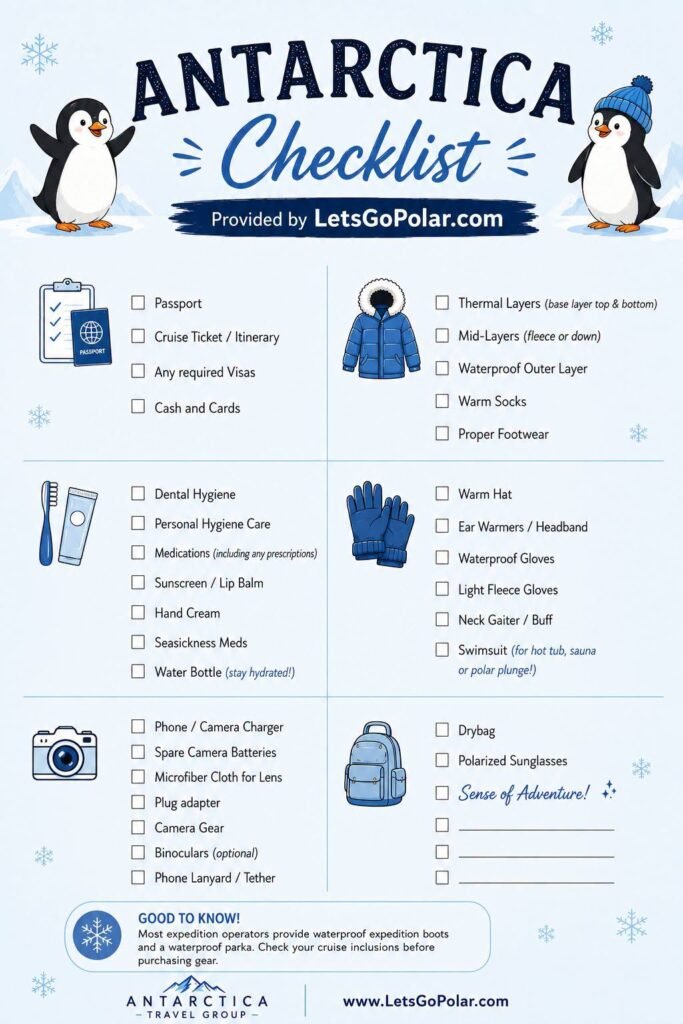
Check list
Step 1:
Documentation

- Passport
- Cruise Ticket
- Proof of Vaccination
- Any Required Visas
- Cash and Cards
Step 2:
Layered Clothing

- Thermal Layers
- Mid Layers
- Waterproof Layer
- Warm Socks
- Proper Footwear
Step 3:
Personal Care

- Dental Hygiene
- Personal Hygiene Care
- Medications
- Sunscreen/Lip Balm
- Hand Cream
Step 4:
Cold-Weather Accessories

- Warm Hat
- Ear Warmers
- Waterproof Gloves
- Light Fleece Gloves
- Neck Gaiter/Buff
Step 5:
Camera Gear

- Phone/Camera Charger
- Spare Camera Batteries
- Microfiber Cloth for Lens
- Plug Adapter
- Camera Gear
Step 6:
Other Essentials

- Drybag
- Polarized Sunglasses

And most importantly: A Sense of Adventure!
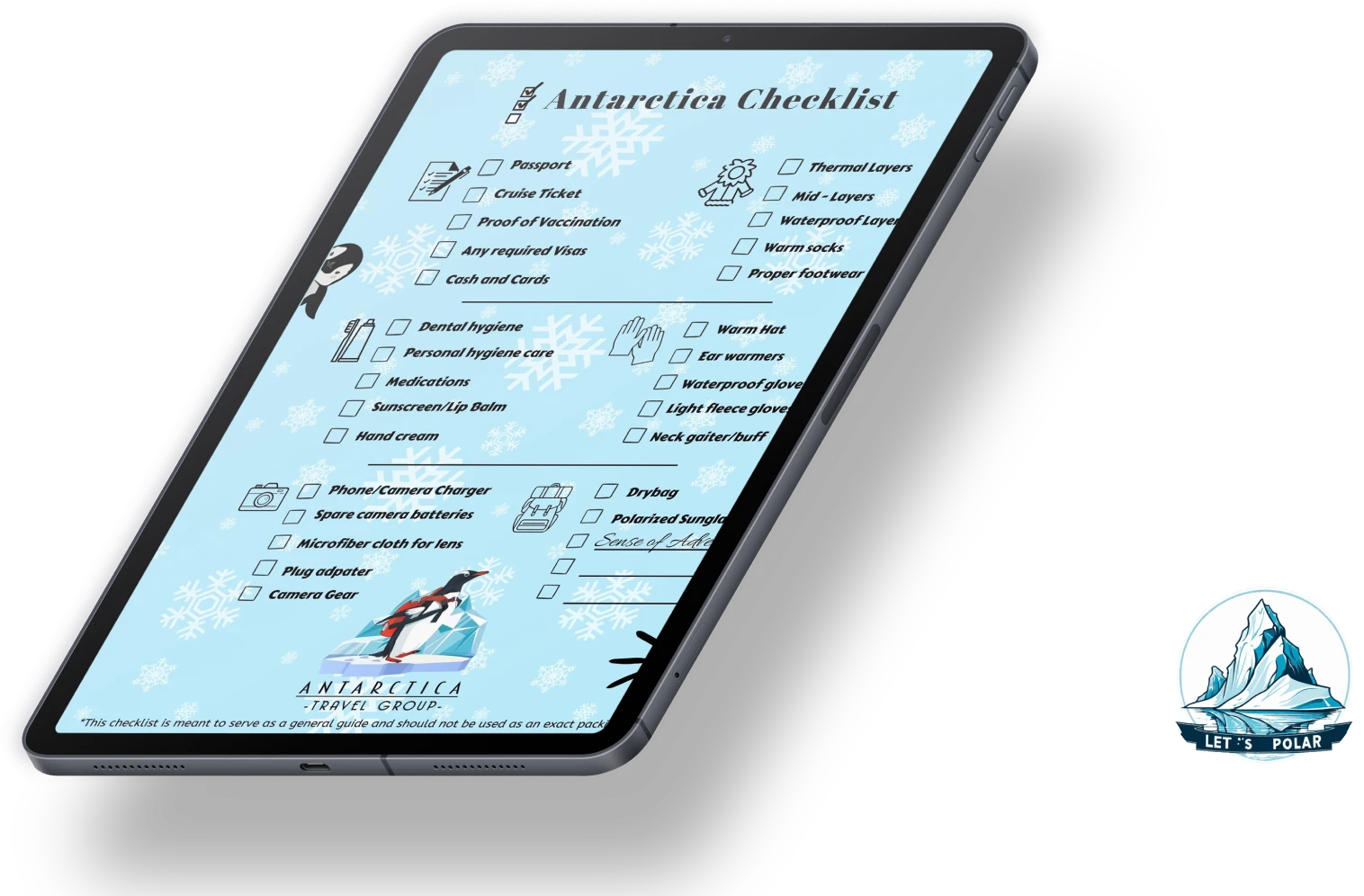
Download Antarctica Checklist
Download our 100% free, printable Antarctica packing checklist! This guide makes preparing for your trip simple, ensuring you're fully equipped for an unforgettable adventure.
Check out our list of
Antarctica Must-Haves!
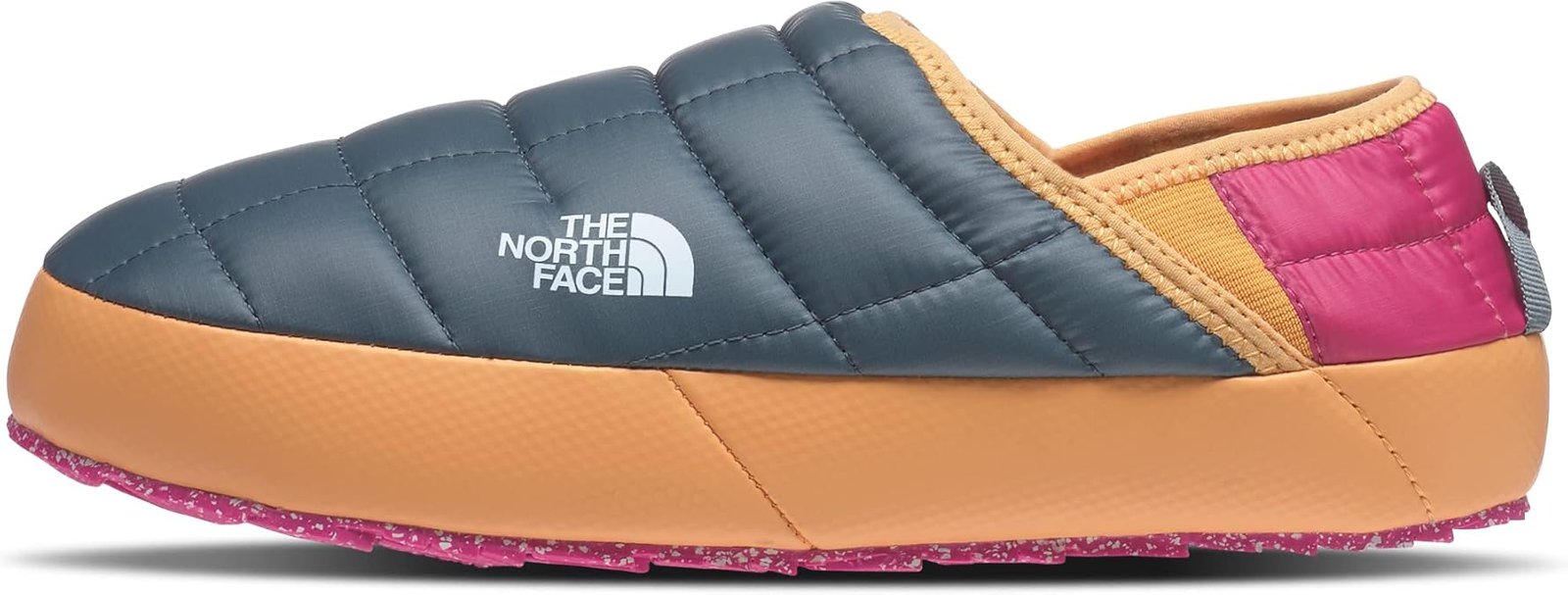
The Perfect Boat Shoe
Available Men’s and Women’s and tons of fun colors. I believe this is truly the perfect onboard boat shoe. Warm, comfy, sturdy, and waterproofish.
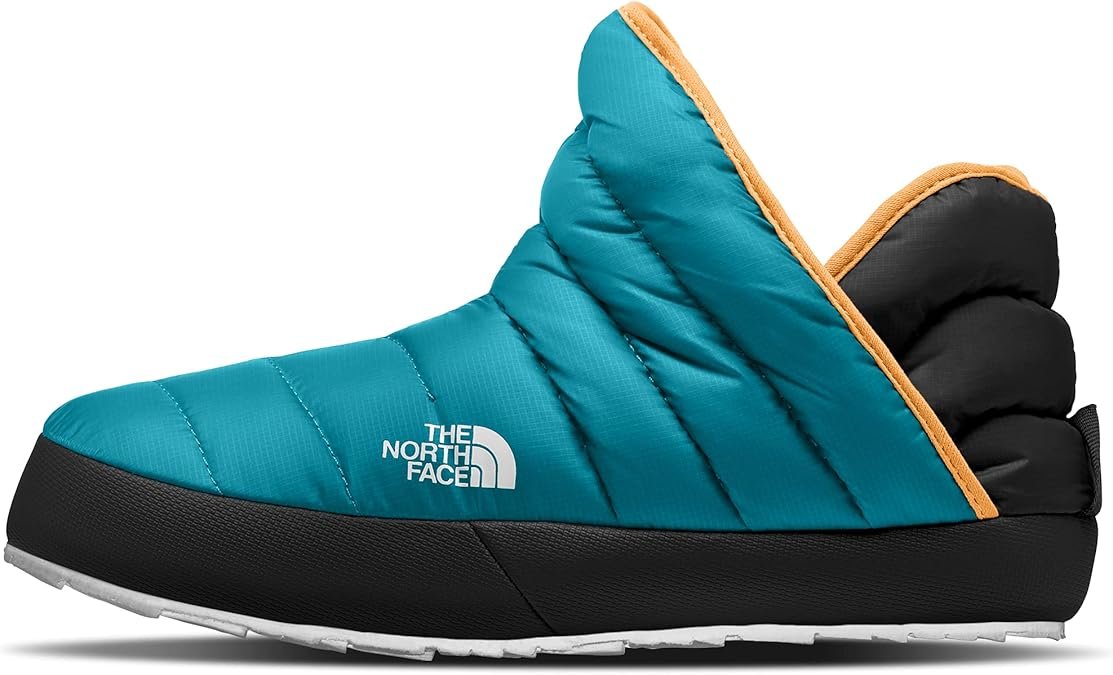
The Perfect Hightop
The same amazing North Face slipper, in a hightop version! I own both. I don’t know why, but I had to have them.
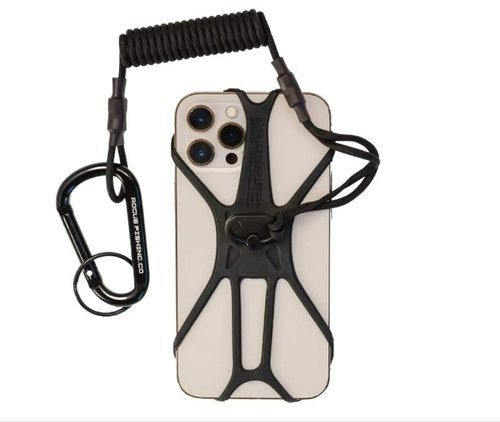
Phone Tether
I’ve seen too many phones fall out of Zodiacs. Just make sure the harness doesn’t block your camera
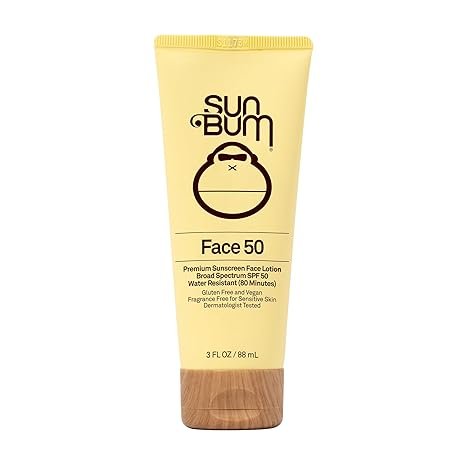
SPF 50 Face Protection
SPF 50 is the minimum I would use in Antarctica. I love Sun Bum because they are environmentally conscious.
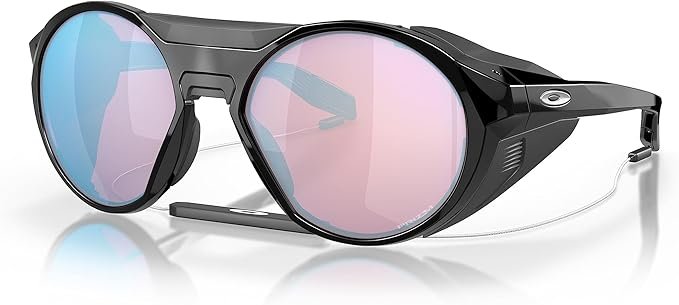
Glacier Glasses
Good eye protection is often overlooked. A solid pair of polarized glasses can prevent headaches from the strong glare.
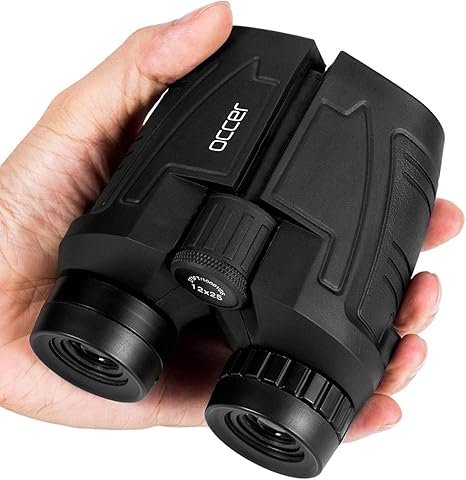
Compact Binoculars
No need to spend too much money on Binoculars, but a good compact pair are worth keeping with you at all times.
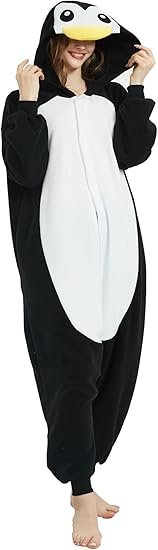
Penguin Onesie
Completely optional. Definitely not a “Must-have” but they do make for some cute photos. Up to you
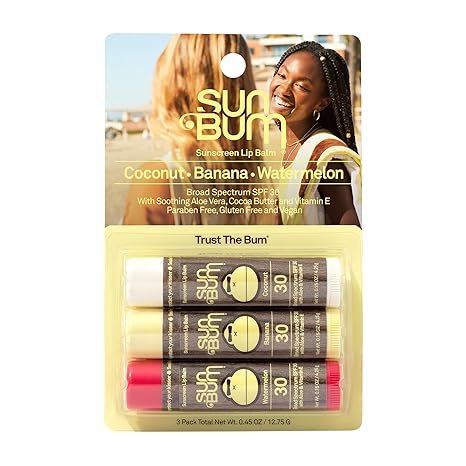
SPF Lip balm!
Just take my word for it. Your lips will take a beating from the sun and the wind. You’ll be thankful you have it.
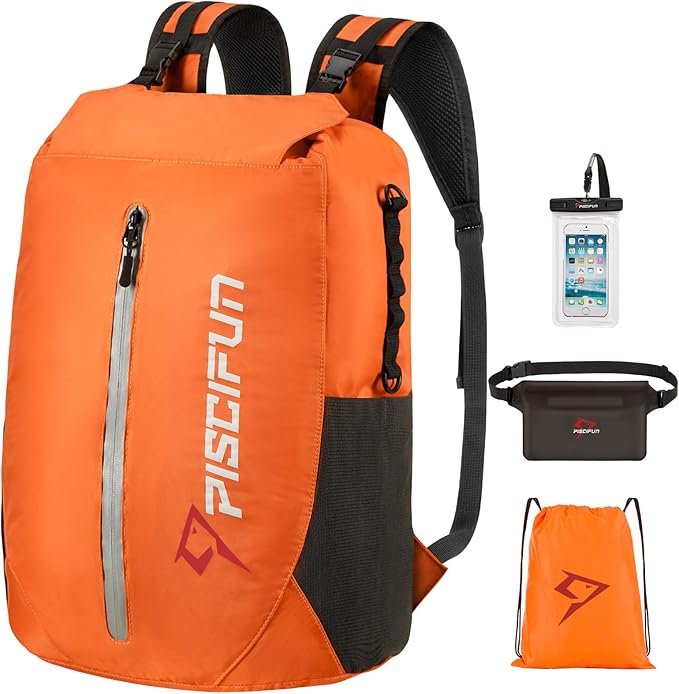
Waterproof Backpack
Keep your gear protected and your spare clothing dry. Dry bags are awesome.
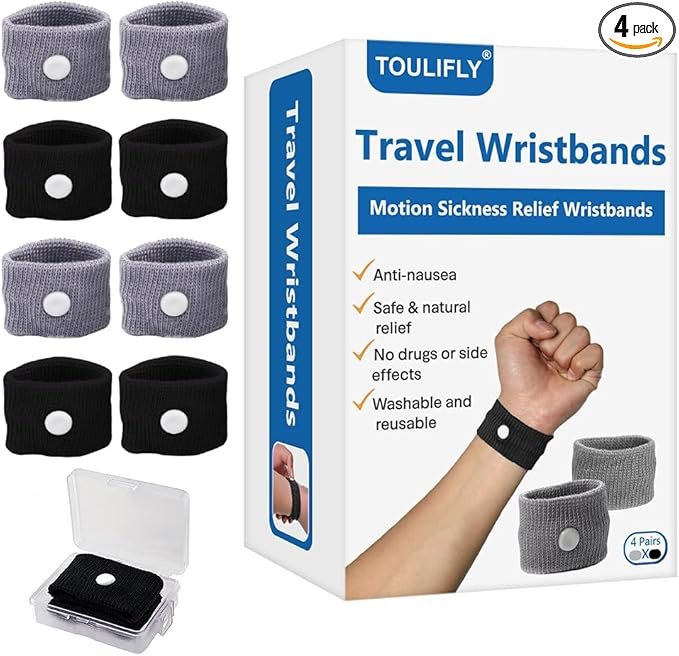
Sea Sickness Bands
Acupressure bands are one of the things travellers commonly bring. Whether they work for you is personal, and we don’t give medical advice. Talk to your doctor about what’s right for you before you sail.
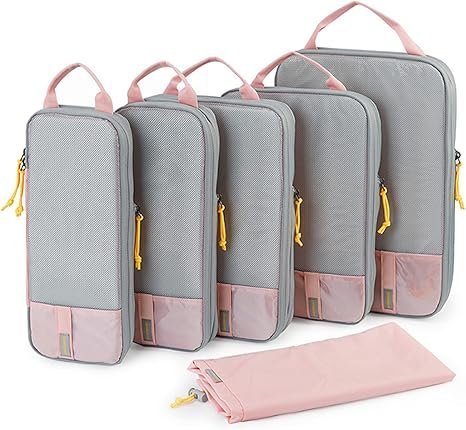
Packing Cubes
Changes the game when it comes to packing. I’ve tried them all. These are the best.
MORE INFORMATION
Packing FAQs
Is there a limit to how much luggage I can bring?
On the ship itself, I’ve never sailed on one that limits the number or type of bags you can bring, and there is no luggage limit on our Antarctica Travel Group group trips.
Fly cruises are the important exception. If your itinerary includes a charter flight to or from King George Island, that flight carries a strict per-person baggage allowance, and it is far lower than anything the ship would ask of you. It is set by the airline and the operator, not by the ship. Check your allowance with us before you start packing.
If you’re booked on another ship, check with the agency that booked you. It’s almost always in your pre-departure material.
Can I bring alcohol on board?
Most certainly check with your travel agent on this one, as everyone has different policies. If booked with us on an Antarctica Travel Group group trip; it’s allowed to bring your own alcohol on board but it must be consumed in your cabin and it can not be an excessive amount. One bottle of wine per guest or one bottle of spirit per couple is a fair estimate.
Where is the best place to buy gear?
This is completely up to where you live, what time of year it is and what your budget is. People overestimate how extreme their gear needs to be in Antarctica and almost always end up overpacking.
I’m a huge fan of thrift stores for their cost savings, but more importantly for the purpose of recycling equipment. We should be doing our part to minimize waste where we can. It doesn’t make 100% sense to spend $200+ on a brand new pair of waterproof pants when you get can them for $30 or so at a thrift store or flee market. Now if you live in Miami, I doubt you’ll find ski pants at a thrift store so you’ll have to resort to shopping online.
I have brought friends who use $50 Amazon ski pants and they worked totally fine. Don’t go nuts. I also suggest shopping at your local budget stores like Marshall’s. TJ Maxx and Ross. I always find good deals on gloves, socks, beanies and thermals there.
How cold does it REALLY get in Antarctica?
You have to remember that you’re going to Antarctica during the Southern summer. I’ve experienced East Coast winters worse than my coldest day in Antarctica. I tell people to pack like you’re going on a ski trip.
Ashore on the Peninsula you’re usually somewhere between about -4c (25f) early in the season and 4c (40f) at the height of summer. Wind and Zodiac spray make it feel colder than the number suggests.
Most excursions run about two to three hours, so plan your layers around that.
You’ll spend time hiking on shore, so you’ll want layers you can remove when you get warm. However, you’ll also be riding in Zodiacs and this is when you’ll experience the coldest moments of your trip because you won’t be moving around as much.
Do I need to pack big heavy boots?
It’s become common practice for ships to provide all guests with the necessary footwear for a trip in Antarctica; typical Muck Boots. All of our group trips include free Muck Boot rentals, and chances are if you’re on another trip, they will provide them too. Double-check with your agent just to be certain.
Is there anything I'm REQUIRED to bring?
Absolutely. It’s mandatory that all guests bring waterproof outer layers if not provided by the ship. Waterproof layers include waterproof trousers and a waterproof parka. Our Antarctica Travel Group trips will provide all guests with a parka jacket. Check with your travel agent if your ship will offer you a parka. Some ships and companies also offer a rental program for waterproof trousers if you don’t bring your own, but it’s not something I would rely on. It’s best to bring your own.